Investing in top tier photovoltaic technology represents a significant commitment toward long term energy autonomy and operational cost reduction. Premium solar modules promise exceptional efficiency rates, superior low light performance, and extensive product warranties. Yet, tracking real world performance data frequently reveals a frustrating disparity between the theoretical power curves published on manufacturer datasheets and the actual kilowatt hour output recorded by monitoring software.
When high end hardware underperforms, the issue rarely stems from manufacturing defects in the cells themselves. Instead, a complex network of external environmental, mechanical, and electrical factors quietly degrades the efficiency of the entire installation. Understanding these hidden performance bottlenecks requires shifting focus away from individual components and examining how a complete solar array interacts with its surroundings and local utility infrastructure.
Even minor installation oversights or unaddressed environmental variables can compound across an entire array, turning an expensive premium asset into an underutilized system. Maximizing the return on investment requires analyzing the precise mechanisms that pull down the efficiency of advanced solar setups.
The Temperature Factor Most Solar Buyers Overlook
Photovoltaic modules are tested under strict laboratory environments known as Standard Test Conditions, which dictate a cell temperature of 25 degrees Celsius, an irradiance of 1000 watts per square meter, and an air mass ratio of 1.5. Real operational environments rarely match these ideal parameters. On a clear summer day, direct sunlight heats the dark silicon cells well beyond the surrounding air temperature. It is common for roof mounted panels to reach internal temperatures between 65 and 70 degrees Celsius.
This thermal elevation triggers a physical phenomenon within the semiconductor material that actively reduces power output. As the temperature of the silicon cell increases, the open circuit voltage drops significantly while the short circuit current experiences only a minor increase. The net result is a substantial reduction in the total power output of the panel, governed by a metric called the temperature coefficient. For premium N-type tunnel oxide passivated contact or heterojunction technology modules, this coefficient typically hovers between minus 0.30% and minus 0.35% per degree Celsius above the baseline.
When a premium system operates in intense heat, a module experiencing a 40-degree deviation above standard testing conditions will automatically lose up to 14% of its peak generation capacity. This thermal degradation can be aggravated by poor structural design. If the mounting racking leaves inadequate space between the roof surface and the underside of the modules, the resulting lack of ventilation creates a heat trapping effect. This lack of airflow forces the modules to run consistently hotter, accelerating the thermal performance penalty and placing prolonged thermal stress on internal electrical connections.
Micro Shading and the Structural Vulnerability of String Architecture
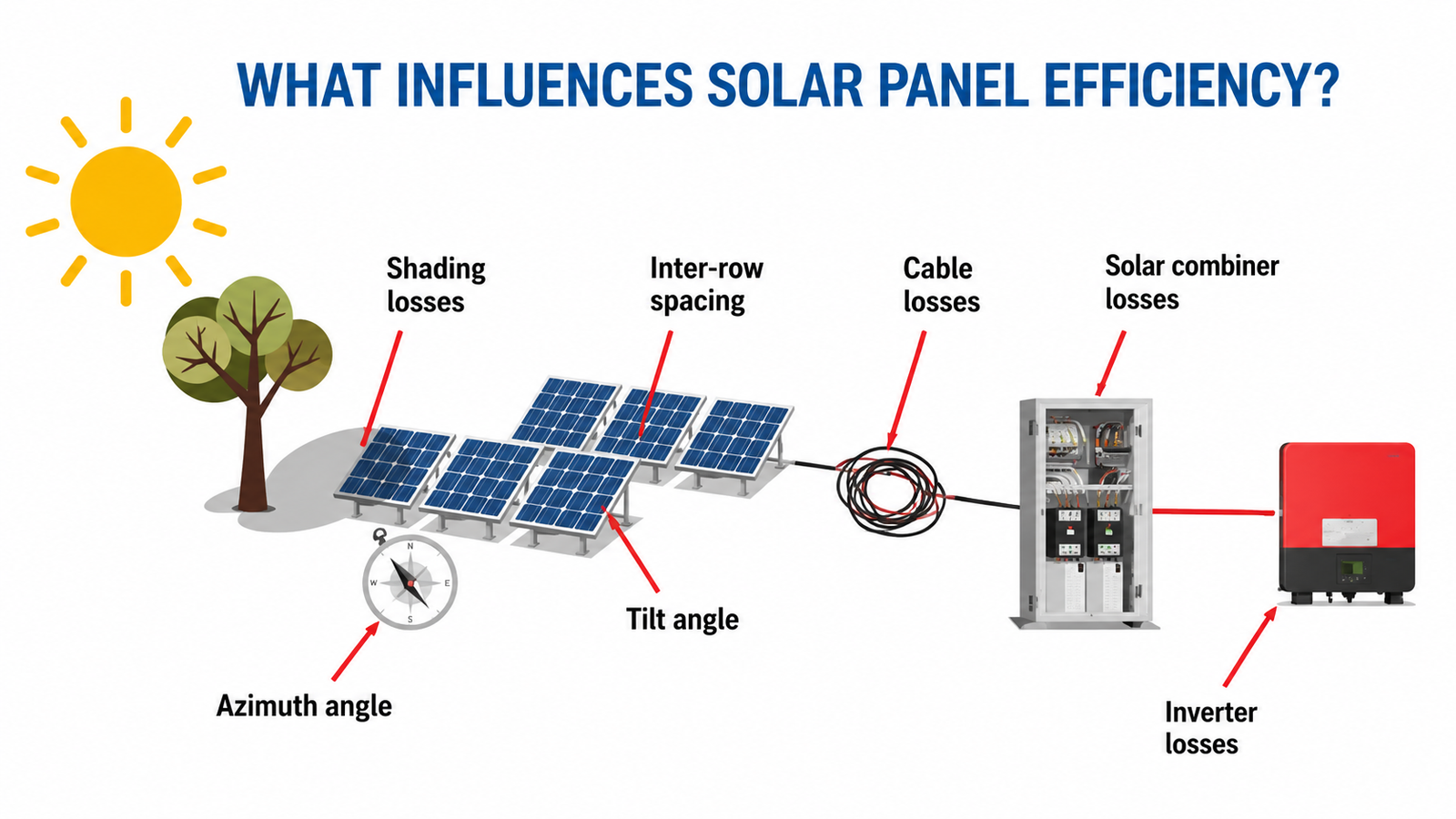
A frequent misconception is that premium solar panels possess an inherent immunity to minor shading due to advanced bypass diode integration. While it is true that modern high efficiency panels utilize half cut cell designs and multiple bypass diodes to limit the impact of localized obstructions, string architecture remains highly sensitive to spatial obstructions. When panels are wired together in a series circuit, the current flowing through the entire string is limited by the output of the weakest cell.
If a stray tree branch, an adjacent parapet wall, or a utility wire casts a narrow shadow across a single corner of one panel, the current generation in those shaded cells drops sharply. To prevent the blocked cells from acting as electrical resistors and overheating, the module activates its internal bypass diodes. This mechanism isolates the underperforming section, allowing the remaining unshaded sections of the array to continue sending power down the line. However, dropping a section of cells immediately reduces the overall voltage output of that specific panel.
This localized voltage drop complicates the task of the central inverter. Central inverters rely on advanced algorithms to track the maximum power point, which identifies the optimal balance of current and voltage for peak power delivery. When partial shading forces multiple bypass diodes to engage across different panels, the voltage profile becomes highly unpredictable. The inverter must constantly recalculate its tracking parameters, occasionally settling on a suboptimal operating point that curtails the yield of entirely unshaded panels in the same string.
Subtle Grid Instabilities and Inverter Throttling Mechanisms
Premium solar setups feature highly sophisticated smart inverters designed to safeguard both the home and the local utility infrastructure. These components constantly monitor the voltage and frequency of the incoming electrical grid. When local distribution grids are outdated, poorly balanced, or saturated with a high density of grid tied solar installations, the local grid voltage can fluctuate drastically, often spiking beyond normal nominal levels during peak midday production hours.
To comply with international safety regulations, smart inverters are programmed with reactive power controls and voltage management functions. If the utility grid voltage rises past a specific threshold, the inverter will automatically engage its volt watt or volt var response modes. Instead of shutting down completely, the inverter systematically throttles its own power output to prevent pushing the local grid line voltage into a dangerous overvoltage fault zone.
DC to AC Derating Factors and Cable Losses in Premium Setups
The process of transforming direct current generated by solar cells into usable alternating current involves multiple small efficiency losses that accumulate throughout the system balance. A major source of preventable system degradation stems from the physical wiring connecting the rooftop array to the power conversion hardware. When property owners look up solar panel dealers near me to source high efficiency modules, they often expect immediate, flawless power generation, overlooking how the physical installation layout dictates cable sizing.
Every electrical conductor possesses an inherent resistance that opposes the flow of electric current. This opposition creates ohmic losses, where electrical energy dissipates as heat according to the square of the current multiplied by the resistance of the wire. If an installer attempts to save on material costs by using undersized DC cabling or extending the physical run distance between the array and the inverter unnecessarily, the total voltage drop can quickly exceed acceptable tolerances.
Even a seemingly minor voltage drop of two to three percent along the DC lines will directly lower the total energy reaching the inverter.
The diagram below maps out how these disparate losses manifest across an entire installation layout, highlighting how component placement directly impacts overall generation efficiency:
System designers must also carefully balance the DC to AC overloading ratio. If the total wattage capacity of the premium solar array significantly exceeds the maximum input capacity of the inverter, the system will experience inverter clipping during periods of peak sunlight. While an oversized DC array helps the system generate more power during early morning and late afternoon hours, the inverter will actively cap the power curve at its maximum rated output during midday, discarding excess energy that the premium modules are fully capable of producing.
Particulate Soiling and Induced Degradation Phenomena
The accumulation of airborne pollutants on the glass surface of solar modules presents a continuous threat to system performance. Particulate matter such as industrial smog, agricultural dust, bird droppings, and tree pollen forms a semi-opaque layer that impedes the path of incoming light. This particulate accumulation does not just block light uniformly; it alters the angle of incidence, scattering photons and reducing the internal refraction efficiency within the solar cells.
In dry, arid regions or urban centers with high traffic density, heavy soiling can easily reduce system efficiency by eight to fifteen percent within a few months of dry weather. The problem becomes critical when soiling occurs unevenly. Linear accumulation along the bottom frame of a tilted panel, which often happens after a light morning dew or a minor rain shower rinses dust downward, creates a permanent band of shade across the lowest row of cells.
This specialized pattern of soiling can trigger bypass diodes and reduce panel output far more severely than a uniform layer of dust across the entire surface. Beyond surface contamination, premium modules are also susceptible to internal electrical degradation pathways such as Potential Induced Degradation. This phenomenon is driven by a high voltage differential between the internal photovoltaic circuits and the grounded aluminum outer frame.
This voltage difference can cause a parasitic migration of sodium ions from the glass cover into the silicon semiconductor material. These misplaced ions disrupt the internal electrical field of the cell, leading to localized carrier recombination and a steady, permanent reduction in the performance curve of the modules over several years of operation.
How Incompatible Components Affect Solar Efficiency
A premium solar system is only as robust as its weakest link. Achieving optimal performance requires ensuring that every ancillary component matches the electrical and mechanical tolerances of the tier one modules. A common issue in complex systems is mismatch loss, which occurs when modules with slightly different current voltage characteristics are linked within the same electrical circuit. Even among identical production runs from a high end manufacturer, subtle variances in peak current exist. Mixing different module batches or combining panels with varying degradation rates over time can restrict the entire string to the performance level of the lowest performing module.
Mechanical compatibility is equally vital for maintaining system efficiency over decades of exposure to weather. Installers must use identical electrical connectors across all junction points. Intermating a premium male connector with a generic or third party female connector might seem to establish a secure connection initially, but subtle dimensional variances often create an imperfect fit. This loose contact point increases electrical resistance, creates localized heat, and can eventually lead to moisture ingress, causing intermittent ground faults that prompt the inverter to shut down entirely.
Mounting premium panels onto structural racking made from incompatible metals can introduce galvanic corrosion risks. When dissimilar metals come into close contact in the presence of atmospheric moisture, an electrochemical reaction takes place, degrading the structural joints and compromising the electrical grounding path. This breakdown can increase the overall electrical noise within the system, disrupting sensitive monitoring hardware and introducing safety hazards that degrade long term performance.
Engineering Uncompromising Energy Independence with Divine Solutions
Eliminating the technical bottlenecks that restrict high performance solar technology requires a comprehensive, expertly engineered approach to system design and installation. Every variable, from structural wind loading and micro climate thermal currents to precise string configuration and voltage drop calculations, must be addressed before a single component is mounted. This level of technical execution is exactly what defines the solar solutions deployed by Divine Solutions.
As a premier authority in advanced energy architecture across Pakistan, Divine Solutions approaches solar integration from an uncompromising engineering perspective. Rather than deploying standardized, generic packages, their technical teams execute exhaustive site assessments that model localized shading profiles, ambient thermal patterns, and structural orientation. By utilizing advanced layout software, they ensure that every premium module is positioned to achieve optimal airflow, minimizing thermal taxes and eliminating the risks associated with localized micro shading.
The company focuses heavily on balancing the entire system with elite ancillary hardware, utilizing precise DC to AC sizing ratios, premium copper conductors with minimal internal resistance, and fully compatible connection points that eliminate mismatch and corrosion risks. Their experience with local utility infrastructure allows them to configure intelligent net metering systems that interface cleanly with unstable grid lines, preventing unnecessary inverter throttling and maximizing every hour of generation. Partnering with a dedicated engineering firm ensures that your investment in premium technology delivers its full theoretical power output for decades.
Comprehensive Performance Optimization Metrics
Optimizing a high capacity solar asset requires moving beyond basic production tracking and actively auditing the thermodynamic and electrical health of the installation. Implementing a proactive maintenance strategy ensures that minor external variables are corrected before they can evolve into systemic performance losses.
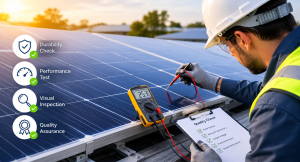
The following checklist highlights the essential maintenance steps required to keep a top tier solar asset operating at its absolute peak efficiency:
-
Execute bi annual thermal imaging audits using calibrated infrared cameras to detect localized cell hotspots, failing bypass diodes, or high resistance electrical connections before they cause systemic string failures.
-
Implement a structured, non abrasive cleaning schedule tailored to local particulate patterns, ensuring washing occurs during early morning or late evening hours to prevent thermal shock to the heated glass.
-
Perform routine torque testing on all mounting clamps and mechanical fasteners to eliminate structural shifting that could alter the optimized tilt and azimuth alignment of the array.
-
Conduct annual insulation resistance testing on all DC strings to monitor the integrity of cable jackets and identify early signs of degradation or potential ground faults.
By treating a premium solar installation as a precise electrical power plant rather than a set and forget appliance, property owners can safeguard their hardware against the environmental and electrical forces that accelerate degradation. True energy independence is achieved through continuous optimization, expert installation engineering, and regular analytical oversight.
Analytical Assessment of Photovoltaic Infrastructure
Maximizing the financial and operational returns of a top tier solar array demands a holistic perspective that treats every component, cable, and environmental variable as an active participant in an integrated electrical network. As shown throughout this analysis, high end hardware cannot overcome poor installation design, structural thermal traps, or unmitigated grid irregularities on its own. True production efficiency is only achieved when premium components are backed by precise engineering.
Elite system design must balance thermodynamic realities against electrical configurations, ensuring that localized high temperatures, string voltage variations, and subtle shading issues are actively neutralized during the planning phase. When individual system balancing, advanced component matching, and heavy gauge wiring choices match the quality of the solar modules, the entire installation can operate closer to its theoretical maximum yield.
Investing the time and resources into proper system engineering and regular analytical maintenance transforms a vulnerable array into an incredibly resilient asset. By addressing these hidden bottlenecks, property owners ensure that their advanced photovoltaic systems deliver dependable, high yield energy generation, securing long term financial returns and true operational autonomy over a multi decade operational lifespan.
Frequently Asked Questions
Why does my premium solar system produce less power on very hot, sunny days compared to cooler spring days?
Solar panels generate electricity from light intensity rather than heat. High temperatures increase the internal resistance of the silicon semiconductor cells, which causes a drop in voltage output and a subsequent reduction in total wattage. Cool, clear spring days allow the modules to operate closer to their standard testing temperature of 25 degrees Celsius, minimizing thermal losses and resulting in peak generation efficiency.
How much energy can a premium solar system lose due to cable resistance and voltage drops?
In a poorly designed system with undersized wiring or overly long distances between the panels and the inverter, DC voltage drops can easily waste two to five percent of the total power generated. Properly engineered systems utilize heavy gauge copper conductors designed to keep overall ohmic losses well below one percent, ensuring almost all captured energy reaches the power conversion equipment.
Can a single shaded solar panel cause an entire string of premium panels to shut down?
A single shaded panel will not shut down an entire string because modern premium modules feature bypass diodes that route the electric current around the blocked or underperforming cell groups. However, activating these diodes reduces the overall voltage output of that specific string, which can force the inverter to adjust its tracking parameters and potentially lower the generation efficiency of the remaining unshaded panels.
What is inverter clipping and does it mean my solar system is malfunctioning?
Inverter clipping occurs when a solar array generates more direct current power than the central inverter is rated to convert into alternating current. When this threshold is reached, the inverter caps the output at its maximum operational capacity, creating a flat peak on production graphs. This is a deliberate design strategy used to maximize energy yield during low light hours and does not indicate a system malfunction.
How often should premium solar systems be cleaned to prevent performance loss from dust?
The ideal cleaning frequency depends heavily on local environmental conditions, agricultural activities, and rainfall patterns. In areas with high dust levels or low rainfall, modules should be cleaned every two to three months to prevent particulate layers from blocking sunlight. Cleaning should always be performed when the panels are cool to avoid thermal shock and glass cracking.
Final Remarks
Getting the most from a premium solar system takes more than buying high quality panels. Even the best equipment can lose efficiency if it’s installed incorrectly, paired with the wrong components, or placed in a layout that restricts airflow. Details like proper cable sizing, balanced electrical connections, and professional installation all play a major role in long term performance.
Regular inspections and performance monitoring are just as important. By identifying small issues before they turn into costly problems, you can protect your investment, extend the life of your system, and ensure it continues producing reliable, high output clean energy for decades.